Manus Alternatives: 5 AI Agents Worth Trying in 2026
Summary
Looking for Manus alternatives because the credit math never adds up? This comparison checks five real options, ChatGPT's Agent mode, Genspark, Skywork, Lindy, and Taskade, against Manus on price, what they actually automate, free tiers, and independently sourced customer ratings. ChatGPT's Agent mode comes out as the safest switch for most people; Genspark is the closest architectural match; Lindy and Taskade solve a different, recurring-automation problem better than Manus ever did.
Manus alternatives are worth researching the moment your credit balance runs out mid-task. Manus popularized the idea of handing an AI agent one prompt and walking away while it browses, codes, and assembles a finished deliverable. It still does that trick well. It also has a 2.7/5 aggregate rating on G2, a credit system that can burn 500 to 900 credits on a single complex job with no cost preview, and no persistent memory between sessions. That combination is exactly why people go looking for a replacement.
We compared five real alternatives against Manus: ChatGPT with Agent mode, Genspark, Skywork, Lindy, and Taskade. The short version: ChatGPT's Agent mode is the safest switch for most people already paying for Plus, Genspark is the closest thing to a like-for-like Manus replacement in how it's built, and Lindy and Taskade solve a different problem, recurring automation and team orchestration, better than Manus ever tried to.
Why look for a Manus alternative at all
Three complaints show up again and again in reviews and forum threads. First, the credit math. A $20/month plan buys roughly 4,000 credits, and testers report a single research-heavy task eating 500 to 900 of them, so real capacity is closer to four or eight serious tasks a month, not the unlimited feel the pricing page implies.
Second, no persistent memory. Every new task starts from zero context, which is fine for a one-shot research job and frustrating for anything you want to build on over weeks.
Third, the product is built for individuals. Manus added a Team plan starting at $20 per seat, but there is still no shared workspace, no role-based access, and no real-time co-editing the way a project-management tool would offer it. If your team wants several people working from the same agent output, that gap shows up fast.
None of this makes Manus useless. For a single, well-scoped task, "research this market and give me a report" or "build a landing page from this brief", it remains genuinely autonomous in a way most of the alternatives below only partly match. The question is whether your use case is that narrow one-shot job, or something closer to a daily workflow.
ChatGPT's Agent mode: the low-risk switch
ChatGPT already has the largest, steadiest review base of anything in this comparison: 4.7/5 across more than 2,000 G2 reviews. Agent mode gives it its own virtual browser and terminal to run multi-step tasks, book research, fill forms, gather data, build a spreadsheet, with the same interruption-and-redirect control you'd expect from a chat interface.
The practical case for switching is cost, not just capability: Agent mode ships inside the $20/month Plus plan that a lot of teams already pay for, so there's no new subscription to justify. The catch is that Agent mode is usage-capped even on Plus, and heavy autonomous workflows push you toward the $200/month Pro tier, which is real money for what started as an add-on feature.
Genspark: the closest architectural match
If what you liked about Manus was the "one orchestrator breaks the task into sub-agents" model, Genspark is the nearest equivalent. Its Super Agent uses a mixture-of-agents setup: an orchestrator splits a request, hands pieces to specialized agents drawing on multiple underlying models, then cross-checks the results before assembling a finished slide deck, document, or code snippet.
The trade-off is review depth. Genspark's G2 score sits at 3.8/5, but from only a handful of reviews, and its Trustpilot rating is considerably rougher, in the 2.5 to 3 out of 5 range. Pricing is also less transparent than it should be: the credit tiers aren't fully visible until you create an account, and heavier usage jumps quickly from the $24.99/month Plus tier toward $249.99/month Pro.
Skywork: cheap, but read the complaints first
Skywork's pitch is a workspace of seven specialized agents, docs, slides, sheets, websites, video, podcasts, and images, built around Google's Nano Banana Pro image model. Its Layer Splitting feature (editable, Photoshop-style layers on AI-generated images) is genuinely unusual, and entry pricing around $12 to $16 a month undercuts every Manus tier for document-and-slide-heavy work.
Here's the honest part: Skywork's Trustpilot rating is 1.5/5 across 42 reviews, with a recurring pattern of billing and refund complaints. Product Hunt reviewers rate it much higher (4.5/5), but from a far smaller sample of eight reviews. Both numbers are real. If document and slide generation is your dominant use case and the price gap matters, it's worth trying on a monthly plan first rather than committing to an annual one, and reading the Trustpilot thread before you do.
Lindy and Taskade: not a like-for-like swap, and that's the point
Lindy and Taskade both solve a different problem than Manus does, and both do it with the strongest independently verified ratings in this comparison: Lindy at 4.9/5 across 171 G2 reviews, Taskade in the 4.5 to 4.9/5 range across G2 and Product Hunt combined.
Lindy is built around "Lindies", small persistent agents you configure once (connect your inbox, calendar, CRM) that then run the same job every day without a new prompt. That's the opposite of Manus's one-shot model, and it's the better fit if what you actually wanted was the same task automated on a schedule, not a single build. The trade-off is a credit system that testers say burns through a paid plan fast, and a free tier that locks most of the useful integrations behind premium credits.
Taskade's Genesis system spins up multiple specialized agents inside one shared project instead of relying on a single agent to do everything, and keeps the task list, docs, and agent outputs in the same workspace your team already uses. Its free tier is genuinely usable (3,000 one-time credits, full workspace, no forced upgrade), which makes it the easiest of the five to actually try before deciding anything.
Which Manus alternative actually fits your use case
If you want the closest thing to what Manus does, one prompt, walk away, get a finished deliverable, Genspark is architecturally the nearest match, and ChatGPT's Agent mode is the safer bet if you're already inside the OpenAI ecosystem and don't want a new subscription.
If your real problem is recurring work, the same report every Monday, the same lead research before every call, Lindy is a better tool than Manus was ever trying to be. If you're a small team that wants several agents collaborating inside a shared project rather than one agent doing everything alone, Taskade is the strongest all-round pick, with the best-tested review base of the group.
Skywork earns a place on this list for price and for genuinely useful document and slide features, but the Trustpilot pattern is real enough that it deserves a cautious, monthly-plan trial rather than blind trust. None of these five is a perfect Manus clone. Each one is a legitimate answer to a different reason people go looking for a replacement in the first place.
At-a-glance
| ChatGPT | Genspark | Skywork | Lindy | Taskade | |
|---|---|---|---|---|---|
| Starting price | Free tier; Agent mode from $20/month Plus | Free tier; Plus $24.99/month, Pro $249.99/month | Free tier; Pro ~$12-16/month | Free (limited); paid from ~$50/month | Free; Starter $6/month, Pro $10/month (10 users) |
| How it works | Chat-first product with Agent mode layered on for browsing/tasks | Orchestrator splits tasks across specialized sub-agents | Prompt-to-deliverable across 7 specialized creative agents | No-code persistent agents configured once, run on a schedule | Multiple agents (Genesis) collaborating inside one shared project |
| What it produces | Research reports, spreadsheets, form-filling, data gathering | Slides, sheets, docs, images, video, light code, voice calls | Docs, slides, sheets, websites, video, podcasts, images | Automated emails, meeting notes, CRM updates, lead research | Task lists, docs, live apps/dashboards, agent-run workflows |
| Free tier | Yes, Agent mode requires Plus ($20/month) | Yes, roughly 100-200 credits/day | Yes, limited generations | 400 monthly credits, premium actions locked | 3,000 one-time credits, full workspace unlocked |
| Customer rating (aggregate) | 4.7/5 G2 (2,021 reviews); 1.6/5 Trustpilot | 3.8/5 G2 (thin sample); 2.5-3/5 Trustpilot | 1.5/5 Trustpilot (42 reviews); 4.5/5 Product Hunt (8 reviews) | 4.9/5 G2 (171 reviews) | 4.5-4.9/5 across G2 and Product Hunt |
| Built for teams? | Business/Enterprise seats available, priced separately | Individual-first, workspace features are limited | Individual-first, creative workspace | Yes, SOC 2 / GDPR / HIPAA compliance on paid tiers | Yes, shared workspace and RBAC from the Pro tier |
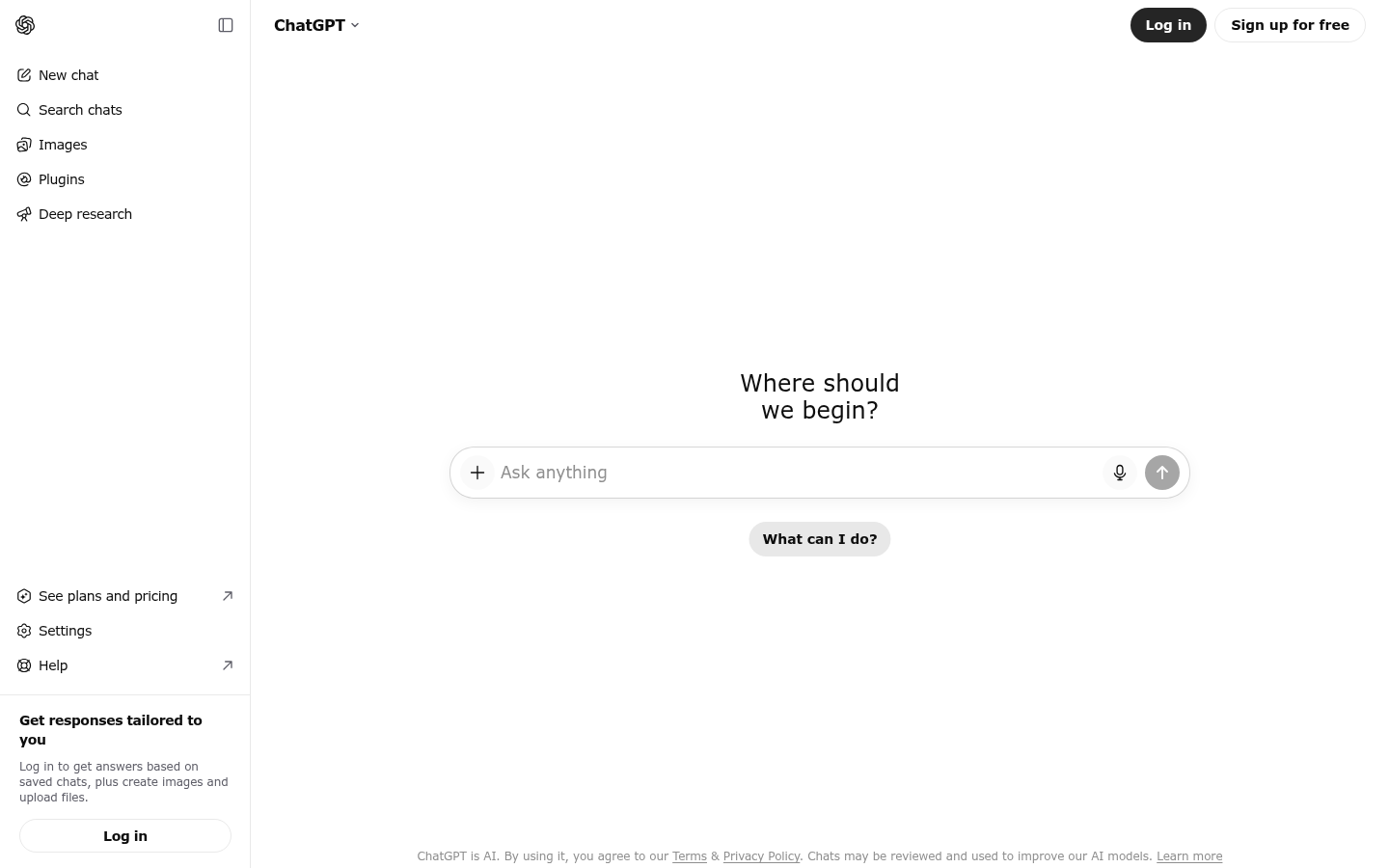
ChatGPT
- Agent mode operates a virtual browser and terminal for multi-step tasks from a $20/month plan most teams already own
- 4.7/5 on G2 across 2,021 reviews, the largest and steadiest review base of any product in this comparison
- Same frontier-model updates as chat, so agent quality improves without switching products
- Agent mode is usage-capped even on Plus, heavy autonomous use pushes toward the $200/month Pro tier
- Trustpilot sits far lower (1.6/5) than G2, mostly over support responsiveness rather than the agent feature itself
The safest, best-reviewed switch from Manus: same walk-away model, a much larger review base, near-zero cost for existing ChatGPT users.
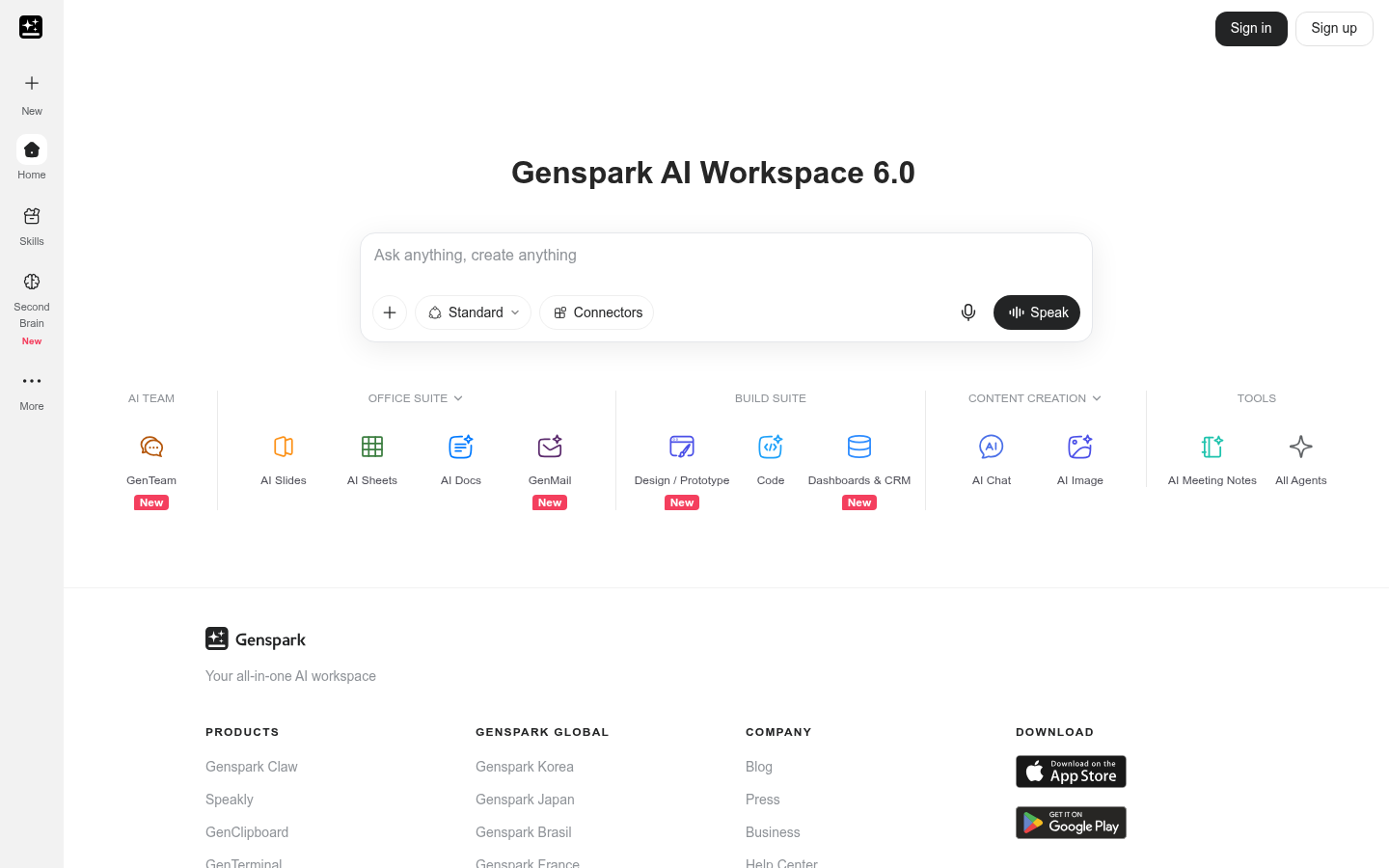
Genspark
- Broadest task range of the group: slides, sheets, docs, image, video, code, and voice calls in one interface
- No-code Super Agent with a mixture-of-agents architecture cross-checks outputs between models
- Office-suite plugins (Google Workspace, PowerPoint, Excel, Word) cut export friction
- Pricing tiers and credit costs are not fully transparent without creating an account first
- Trustpilot sits in the 2.5-3/5 range, thinner and more mixed than its 3.8/5 G2 score suggests
The closest architectural match to Manus, an orchestrator plus specialized sub-agents, but its review volume is still thin.
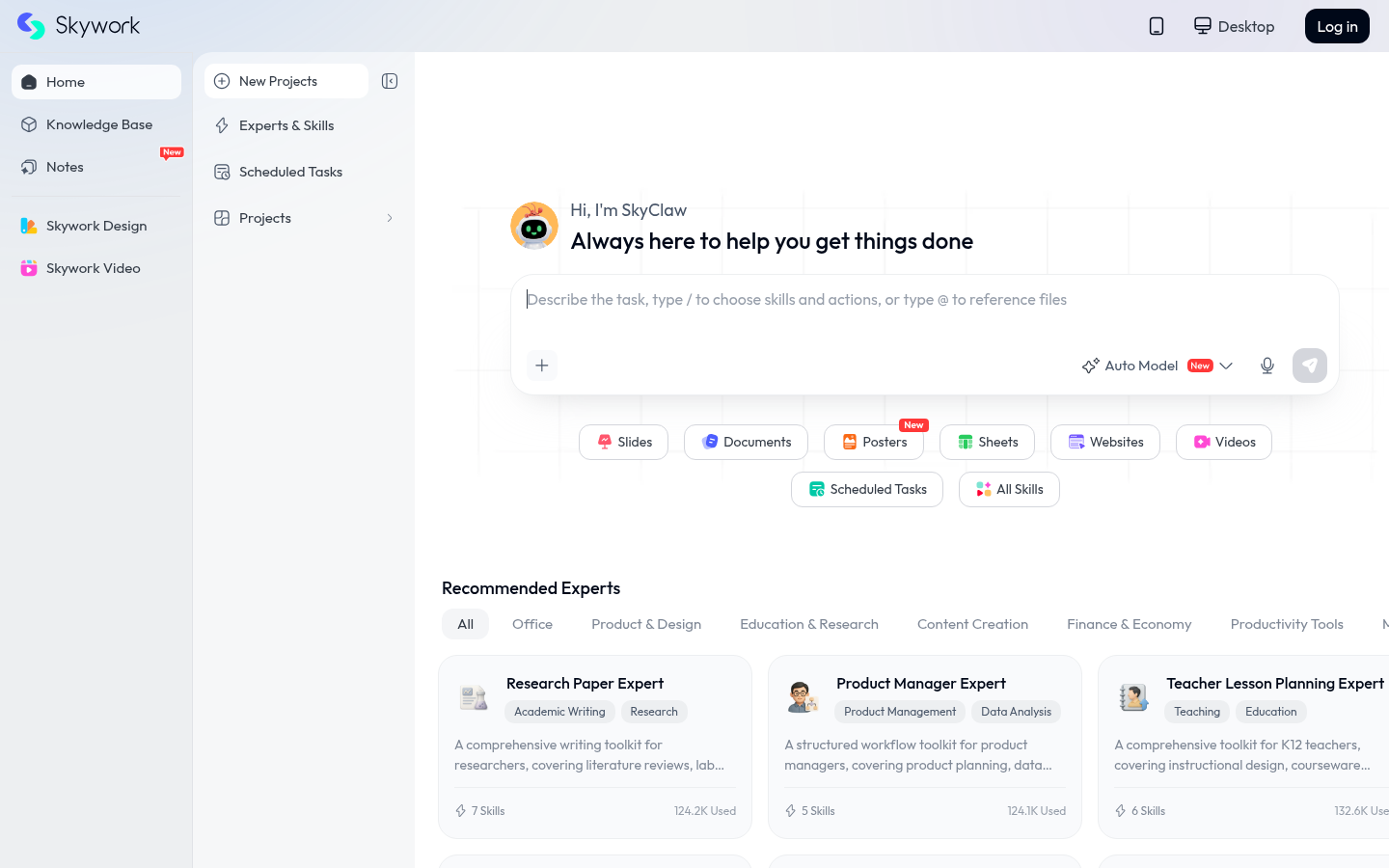
Skywork
- Seven specialized agents (docs, slides, sheets, websites, video, podcasts, images) built around Nano Banana Pro image quality
- Layer Splitting gives editable, Photoshop-style layers on AI-generated images, a feature none of the others here have
- Entry pricing around $12-16/month undercuts every Manus tier for document-and-slide-heavy workflows
- Trustpilot rates it 1.5/5 across 42 reviews, with a recurring pattern of billing and refund complaints worth reading first
- Web-browsing and open-ended research depth trail Manus and Genspark, this is a creative workspace first
Cheap and genuinely capable for docs and slides, but the Trustpilot complaint pattern means a monthly trial before you commit annually.
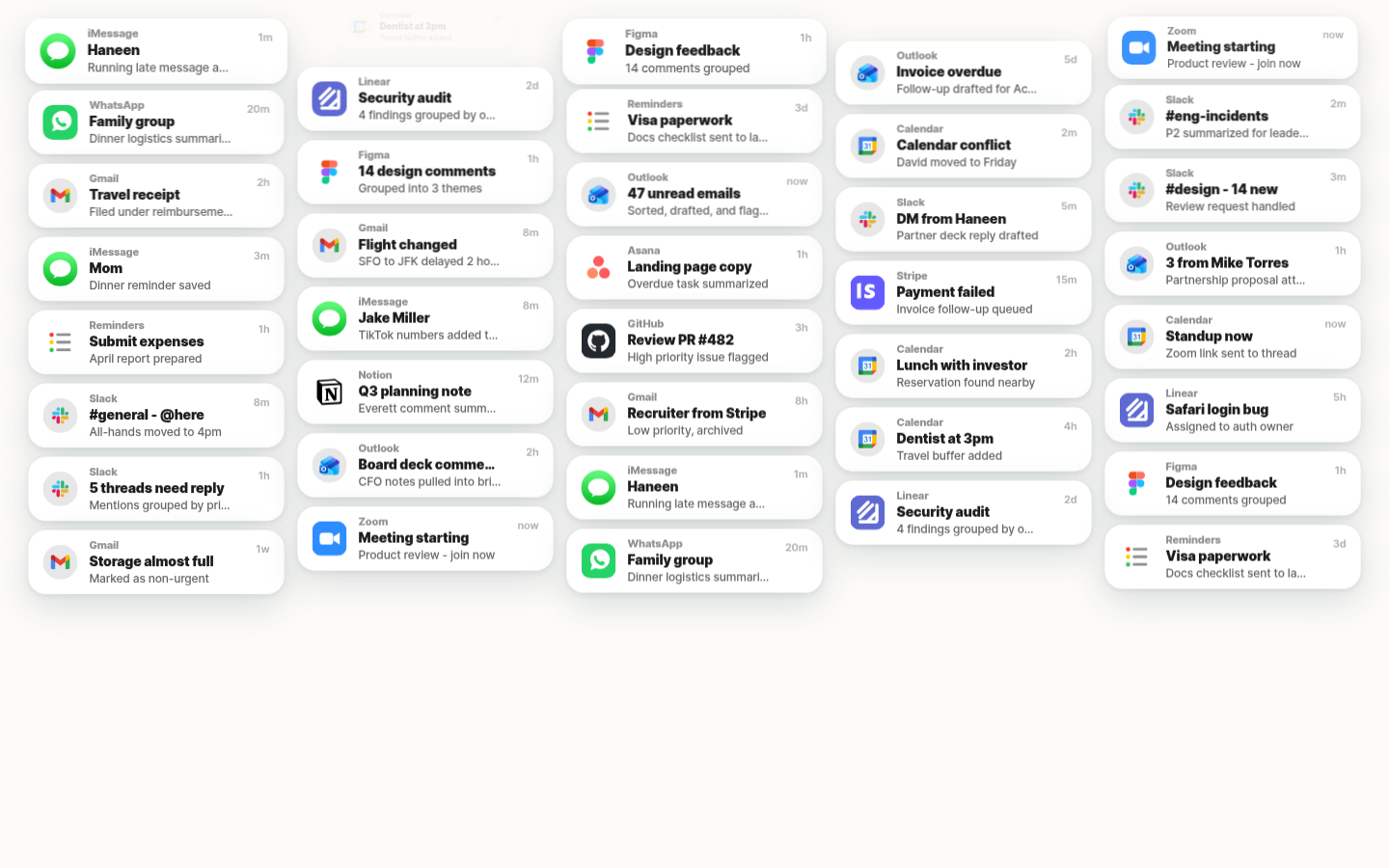
Lindy
- Agent setup is genuinely simple: connect your tools, write a prompt, done, no workflow diagram required
- 4.9/5 on G2 across 171 reviews, the highest-rated product in this comparison
- SOC 2 and GDPR/HIPAA compliance out of the box matters for teams handling customer data
- Built for recurring, scheduled automations, not a single ad hoc build-me-a-website task the way Manus is
- Credit system burns fast on real usage, and the free plan locks most premium actions behind paid credits
Not a like-for-like Manus swap, it is the better tool if you wanted the same task done automatically every day, not a one-off build.
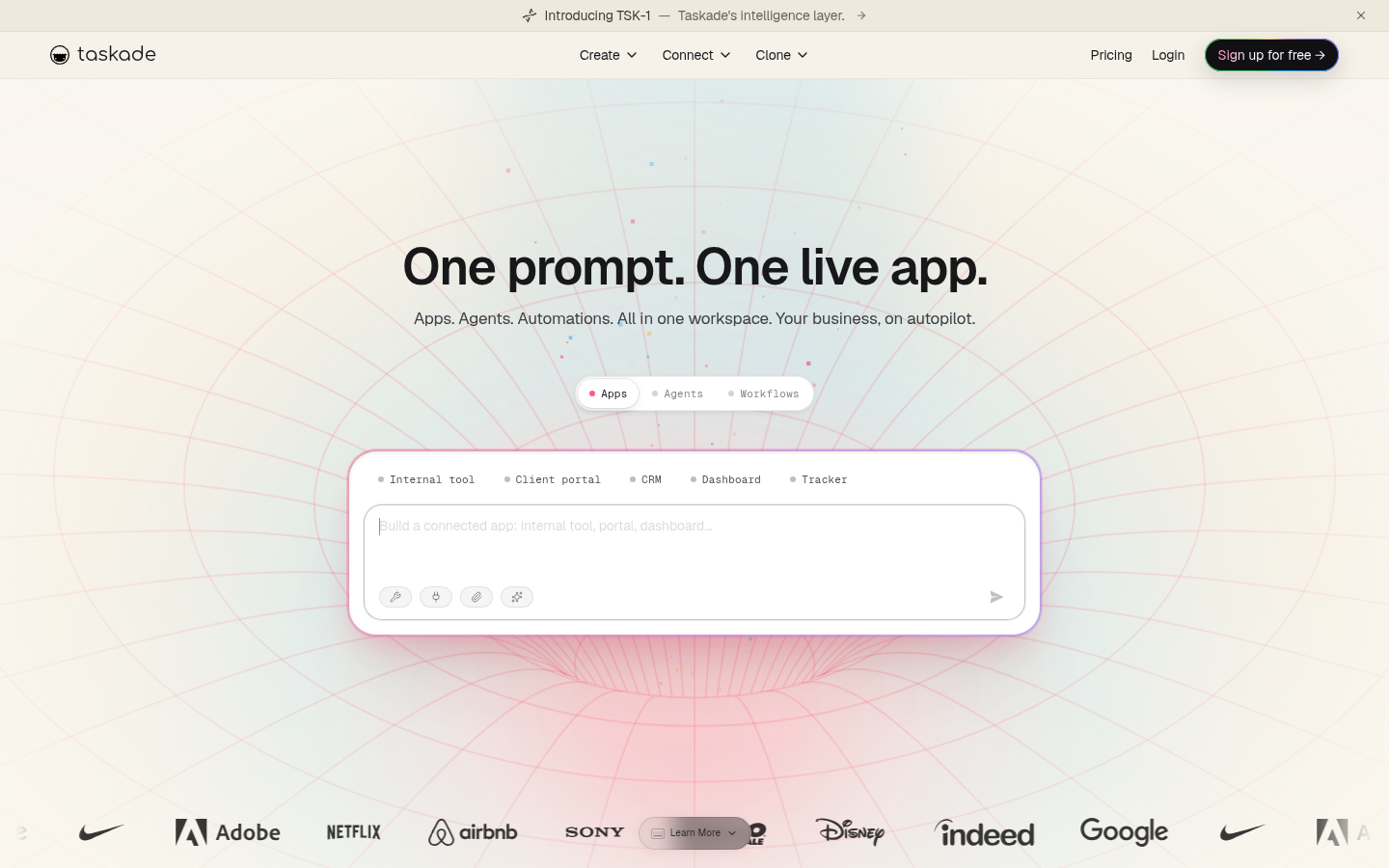
Taskade
- Free tier is genuinely usable: 3,000 credits and the full workspace, no forced upgrade to get started
- Genesis multi-agent orchestration plus native project management, 100+ integrations, 15+ underlying models
- Consistently high review scores, around 4.5-4.9/5 across G2 and Product Hunt from hundreds of reviews
- Coordinating several agents takes more setup than Manus's single-prompt, walk-away model
- Less raw open-ended web-browsing autonomy than Manus or Genspark for research-heavy tasks
The best-reviewed pick here, and the one to choose if your team wants several agents working together in a shared space.
Verdict
Manus still does the single-prompt, walk-away trick better than almost anyone, but unpredictable credits and a 2.7/5 G2 score are exactly why people search for a way out. ChatGPT's Agent mode is the least risky switch for anyone already paying for Plus. Genspark is the closest thing to a like-for-like Manus replacement in philosophy. Lindy and Taskade solve a different problem, recurring automation and team orchestration, better than Manus ever tried to. Skywork is worth a look for document-and-slide work specifically, but read the Trustpilot complaints first.
How we tested
We compared Manus against five alternatives cited across independent 2026 roundups (Vellum, Storyflow, Taskade, and moclaw among them) and cross-checked each product's own pricing page as of July 2026. Aggregate customer ratings come directly from G2, Trustpilot, and Product Hunt profiles, not vendor-supplied numbers; where platforms disagreed sharply, both figures are disclosed rather than averaged away. Features and limitations were verified against each vendor's current homepage and help-center documentation. No product was benchmarked hands-on for this specific comparison, so verdicts lean on convergent third-party reviews rather than first-party testing.