DnD Races: How to Name Every Species at Your Table
Summary
DnD races now means ten species in the 2024 Player's Handbook, from Aasimar to Tiefling. The best way to name any of them is to choose the culture first and the species second. This guide covers elf lineages, dwarf clans, orc and Goliath naming systems, tiefling virtue names, and a simple three-step test for checking a name at the table.
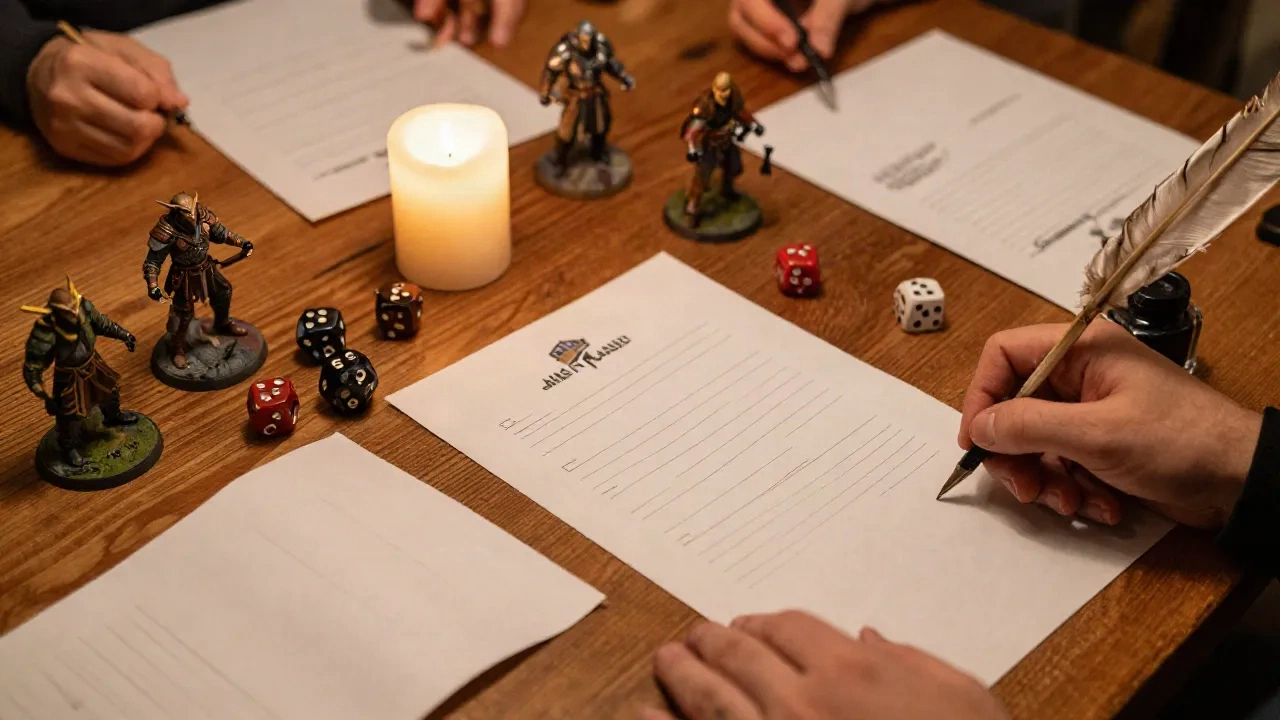
The 2024 Player's Handbook lists ten DnD races, now officially called species: Aasimar, Dragonborn, Dwarf, Elf, Gnome, Goliath, Halfling, Human, Orc and Tiefling. Half-elf and Half-orc are gone from the core list. Whichever you pick, the name does a job at the table: it tells everyone where your character grew up before you say a word. Here is how to name each of the DnD races so the name fits the culture, not just the stat block.
What changed in the 2024 DnD races, and why does it matter for names?
Three species joined the core book: Aasimar, Goliath and Orc, all carried over from Monsters of the Multiverse. Ability score bonuses no longer come from your species but from your background. Half-elf and Half-orc are no longer listed, and you can be half of anything.
That last point is the one naming cares about. Once species stops dictating your numbers, culture is the only thing left to set your character apart. A dwarf raised in a human port city has no reason to sound like a dwarf from a mountain hold. So the first question is never "what do dwarves sound like?" It is "where did this dwarf learn to say their own name?"
Ten species also means ten sound palettes at most. Most tables only ever use three or four of them, which is why half the elves in any campaign end up sounding like the same elf.
Do elves really need to sound like wind chimes?
No, and the habit is a bit lazy. Liquid consonants (l, r, n, s) and open vowels give you the classic elf sound: Lirael, Sylvara, Aelar. It works because it is easy to say and reads as soft. It also means every elf at your table collides in the same corner of the alphabet.
The three elf lineages in the 2024 book (Drow, High Elf, Wood Elf) are a free naming tool. High elves can lean formal and polysyllabic. Wood elves can be shorter, closer to a word from a spoken language than a chime. Drow can take a harder, more clipped rhythm, with stops like k, t and z.
The 2014 handbook also noted that elves often carry a child name and a later adult name. That is a gift for a backstory. Your elf can have a nickname from a century ago that only one old friend still uses.
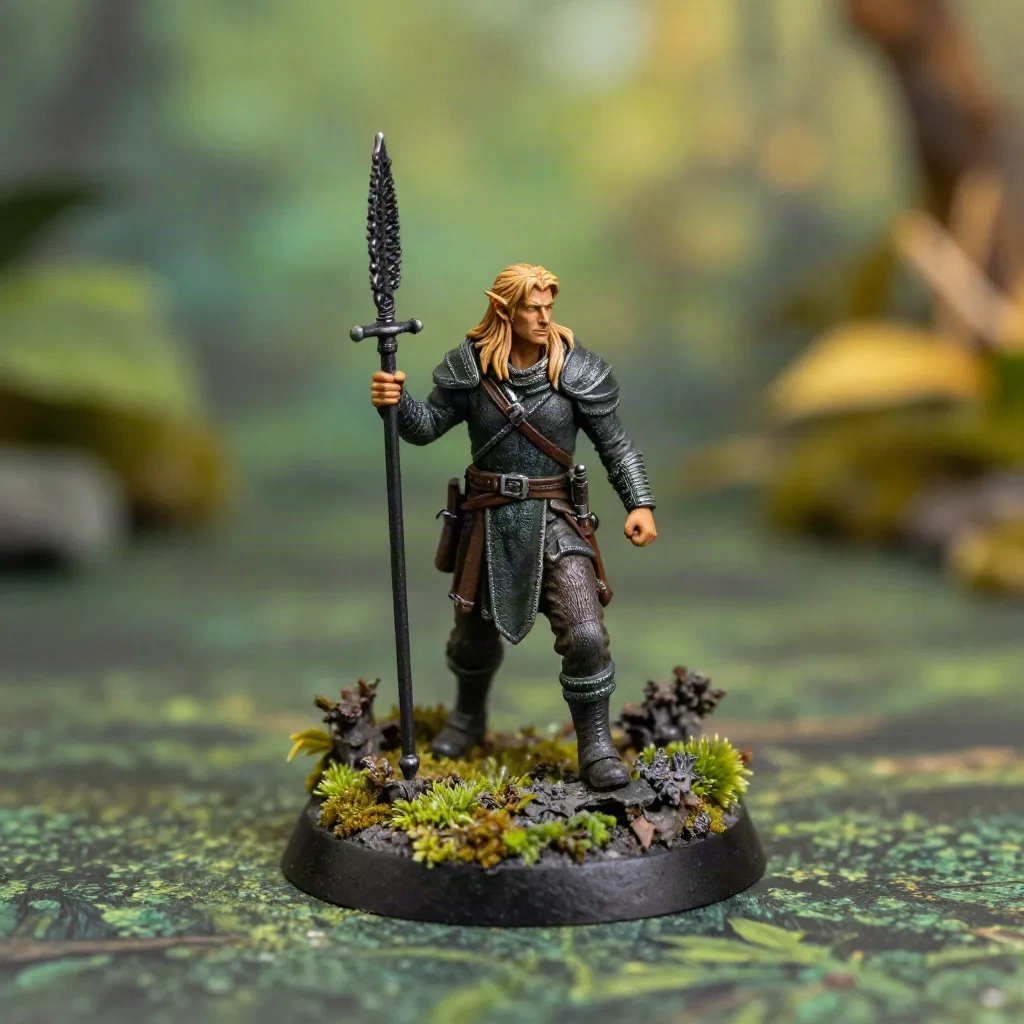
Skip the apostrophe unless you can say what it does. If "Ael'thas" has an apostrophe, you should know whether it marks a glottal stop, a clan prefix or nothing at all. If the answer is nothing, delete it. Three ways to test an elf name: say it out loud twice, check that nobody else at the table has a name starting with the same letter, and ask what the name would mean if it were translated.
How should you name a dwarf, a gnome or a halfling?
These three share a trait that elves rarely get: names with texture. A dwarf name is often short, heavy, built on stops and nasals. Think Bram, Dorn, Thorga. The clan name carries the rest. The 2014 handbook put the clan name at the center of dwarven identity, and it still works as a story lever.
Give the clan name a meaning you can reach for later. "Ironvein" is fine and slightly generic. "Slagmother" tells the table something about what that clan does for a living. Ask what the clan is proud of, and name it after that.
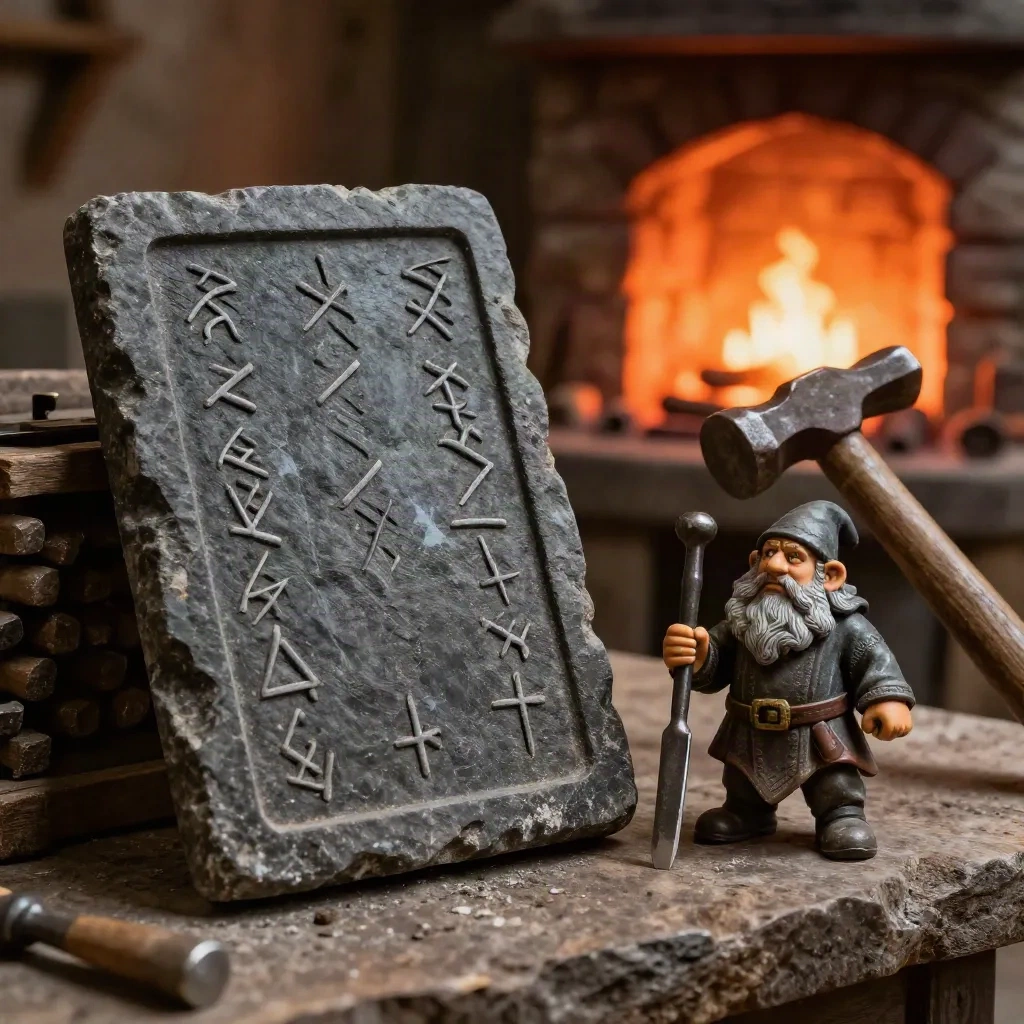
Halflings go the opposite way: warm, bouncy, often built from two syllables with a soft finish. Family names tend to read like nicknames that stuck, which is a very human way for a name to be born. Gnomes are where you can be silly on purpose. The 2014 handbook gave gnomes several names and nicknames, and a long string of them is a good joke that never gets old: one for the family, one for the workshop, one for the neighbor who still remembers the explosion.
For the Forest and Rock gnome lineages in the new book, the same split holds. Forest gnomes can lean quieter and shorter. Rock gnomes can pile on syllables, because tinkering and talking go together.
What do Dragonborn, Goliath and Orc names have in common?
All three come from cultures where lineage is spoken out loud. The 2014 handbook had dragonborn put the clan name first, then the personal name. That is the same order used in many real-world naming systems, and it is a quick signal that these characters think of themselves as part of something larger.
For the Dragonborn, hard consonants with a rolling vowel work: Kriv, Balasar, Medrash. For Goliaths, the 2024 Giant Ancestry options (Cloud, Fire, Frost, Hill, Stone, Storm) give you a ready-made theme. A Stone Goliath and a Storm Goliath can carry different naming habits, one patient and weathered, one quick and loud.
Orcs are the species where this matters most, because they are new to the core book and many tables still default to "Grug". Don't. A name is short, yes, but short does not mean crude. Orcs in your campaign can use one-syllable names with real weight, titles earned in battle, or the name of a parent. Pick one system and stay with it.
The 2014 rules said half-orcs raised among humans might use human names, and those raised among orcs might use orc names. That is the best naming advice in any rulebook: the name follows the upbringing, not the species line.
What about Tieflings and Aasimar?
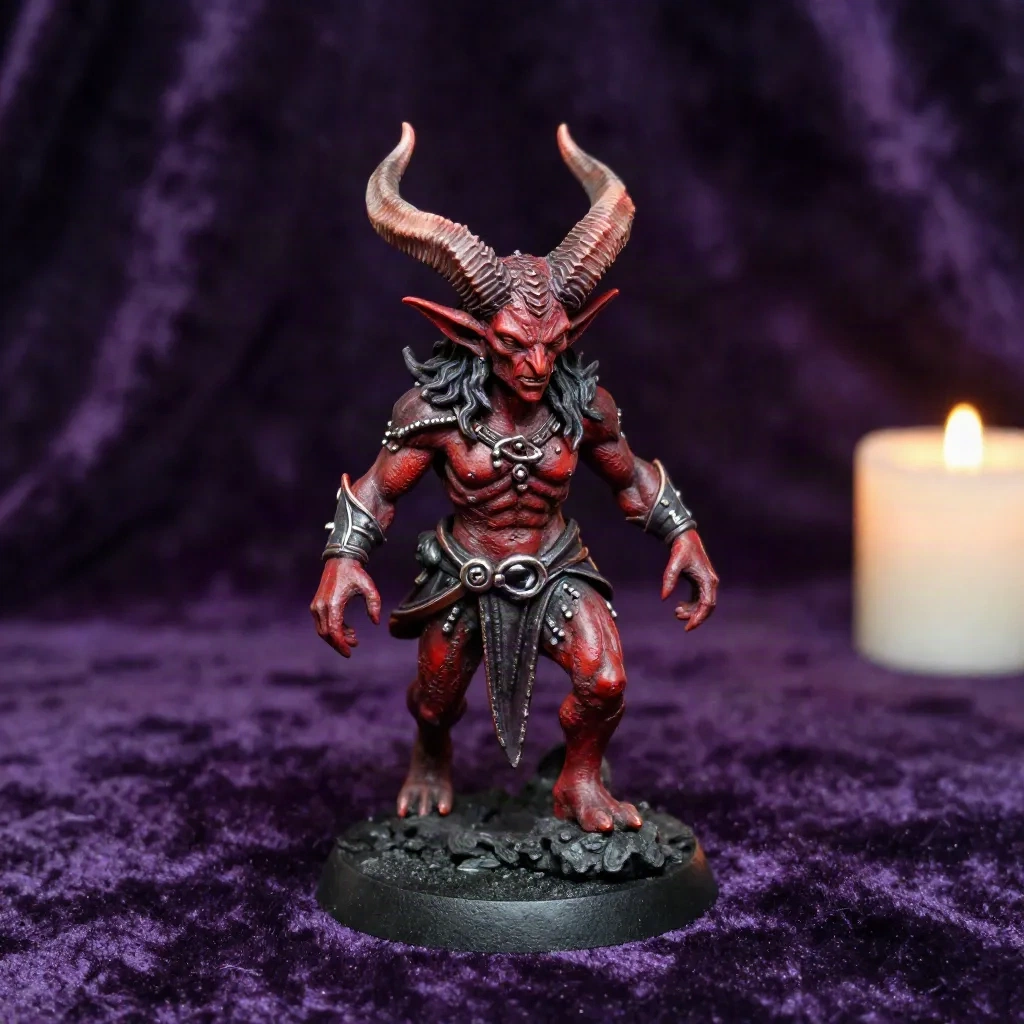
Tiefling names split in two directions, and both work. The first is infernal echo: names with a trace of a harsher, older language. The second is the virtue name, a word like Hope, Ideal or Music taken straight from Common. A table can hold both without anyone blinking, because the two styles tell different stories about the same heritage: one family kept the old sound, another translated it into everyday words.
The 2024 book splits Tieflings into Abyssal, Chthonic and Infernal lineages. Use it. An Abyssal tiefling can have a name that sounds like something torn off a wall. An Infernal one can sound like a contract.
Aasimar are the mirror case. Their names can be built from virtue words too, or from bright, vowel-heavy sounds with a trace of Latin, Greek or Celestial. Whatever you pick, avoid the trap of making every Aasimar sound like a perfume. A character touched by a celestial power may still have been named by a baker.
And what about Humans, the species with no sound palette?
Humans are the hardest to name, precisely because nothing is given. The species description says "adaptable", and that is your cue. Choose a real-world naming tradition and bend it: Italian given names with a fantasy surname, Norse patronymics, Yoruba day names, Welsh place names. A human in a fantasy campaign can pick up whatever the setting's cultures give them.
The trick that works best is to steal structure, not sound. Take the way a real culture builds a name (patronymic, place, trade) and fill it with invented words. You get something that feels real because the grammar is real.
A human name also works well as a contrast. A table of three elves, a dwarf and a tiefling, each with a poetic name, and one human called Tom. Tom is going to be remembered.
How do you check that a name works at the table?
A name has to survive three tests, and the first one is the harshest. Can the person to your left say it without checking the sheet? Can the DM shout it across a combat round? Does it still work when you are tired and it is 11pm?
Try this in your own notes. Write the name three times, fast, in your normal handwriting. If you start to abbreviate it, it is too long. If you keep misspelling it, it is too slippery. Short names win at the table, and they win on a character sheet too: one syllable stays, two is comfortable, four needs a nickname.
If you are stuck, a generator can propose names to react to. That is the useful way to use one: it hands you forty candidates and you say no to thirty-eight. NameGeneratorPlus covers fantasy, gaming and character categories, and the point is to pick the one that sounds like it belongs to a person, then change one letter to make it yours.
For deeper reference, a few tools sit well alongside a name list.
Behind the Name is the one to open when you want to know where a real name comes from. Borrow the root, change the ending, and you have a name with a past.
Novelcrafter's Codex is a good home for a campaign world: characters, places and clans in one database, so your dwarf clans stay consistent for fifty sessions.
AI Dungeon is worth a try if you want to hear your character talk before session one. Skip it if you only need a name, since it is a story tool first.
Sudowrite suits the player who writes a long backstory. It will not choose a name for you, and you should not want it to.
Which of the DnD races should you name first?
Start with the one you find hardest. If you always play elves, name an orc this time. If you play humans, try a Goliath. A table that has to learn a new naming system gets more out of the campaign than one that hears the same sounds for the fifth time.
Pick a culture, write three candidate names, and say each one out loud in your best tavern voice. Keep the one that makes someone at the table repeat it back. Then give the character a reason to be called something else.