Fairy Names: Seelie, Flower, Water & Dark Fae Lists
Summary
Fairy names split into four traditions: Seelie court names trend toward open vowels and floral compounds; Unseelie names use consonant clusters and winter imagery; flower fairy names draw directly from botany; water fairy names take liquid consonants from Celtic and Germanic folk sources. This guide covers 200+ names across all four traditions, explains the phonetic rules each follows, and provides a four-step method to build original fae names from scratch.
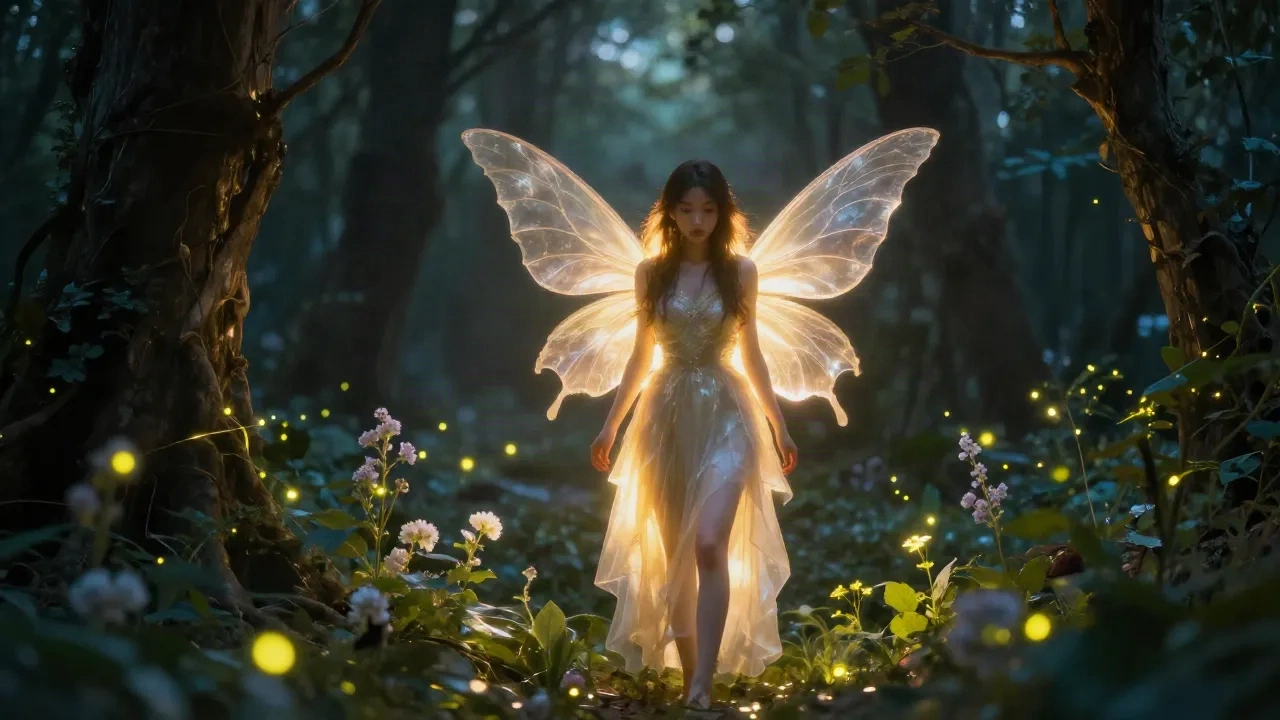
Arwen, Oberon, Titania. Three names that feel fairy without explanation. That is not an accident. Each carries two syllables, starts with a soft consonant or open vowel, and ends in a sound that lingers slightly longer than it should. Fairy names follow a phonetic logic that has held across English folklore, Celtic mythology, and Shakespearean invention for five centuries. This guide breaks that logic down, gives you the lists you need across four traditions, and ends with a four-step method for building names that do not exist yet.
The four traditions covered here are Seelie court names, Unseelie dark fae names, flower fairy names, and water fairy names. Each follows different phonetic rules drawn from different source cultures. Mixing them without care is the fastest way to produce a name that sounds like a fantasy cliche rather than a character's actual identity.
What Makes a Name Sound Like a Fairy's
Three sound patterns dominate the tradition. First, soft fricatives and lateral consonants: F, L, V, Wh, Th sounds feel ethereal because they carry very little hard stop. Faye, Elara, Vesper, Liriel all land quietly. Second, nature compound words where two nouns or a noun plus a natural suffix fuse into one. Thistledown, Hollyfrost, Mosswhisper. The fusion tells you where the creature lives before you read the story. Third, Latin and Celtic root combinations ending in -ia, -el, -wyn, -iel, or -an. Aurelia, Sylphiel, Branwyn, Caelian. These roots carry enough real-language weight to feel invented by a culture rather than by a single person.
The mistake most writers make is mixing all three patterns into one name. Aetheralwynmoss is not a fairy name. It is a password. Pick one register per character and hold it consistently.
Two syllables is the statistical sweet spot. Three works. One can be striking (Fay, Luz, Mab). Four syllables almost never lands unless the character is royalty and the name is used ceremonially. The harder rule: every syllable in a fairy name should earn its place. If removing a syllable makes the name cleaner without losing meaning, remove it.
A useful test is the "name on a page" check. Write the name in isolation and read it without context. If it reads as a person before it reads as a concept, it works. If it reads as a concept first (Brightshimmerflower), it is not a name. It is a description.
Seelie Court Fairy Names: Light, Bloom, and Borrowed Sunlight
Seelie fairies belong to the Scottish tradition of the two courts, the light fae who dispense fortune and occasional mischief before demanding something back. Their names trend toward warmth, flowers, and gold. Open vowels dominate: A, E, O.
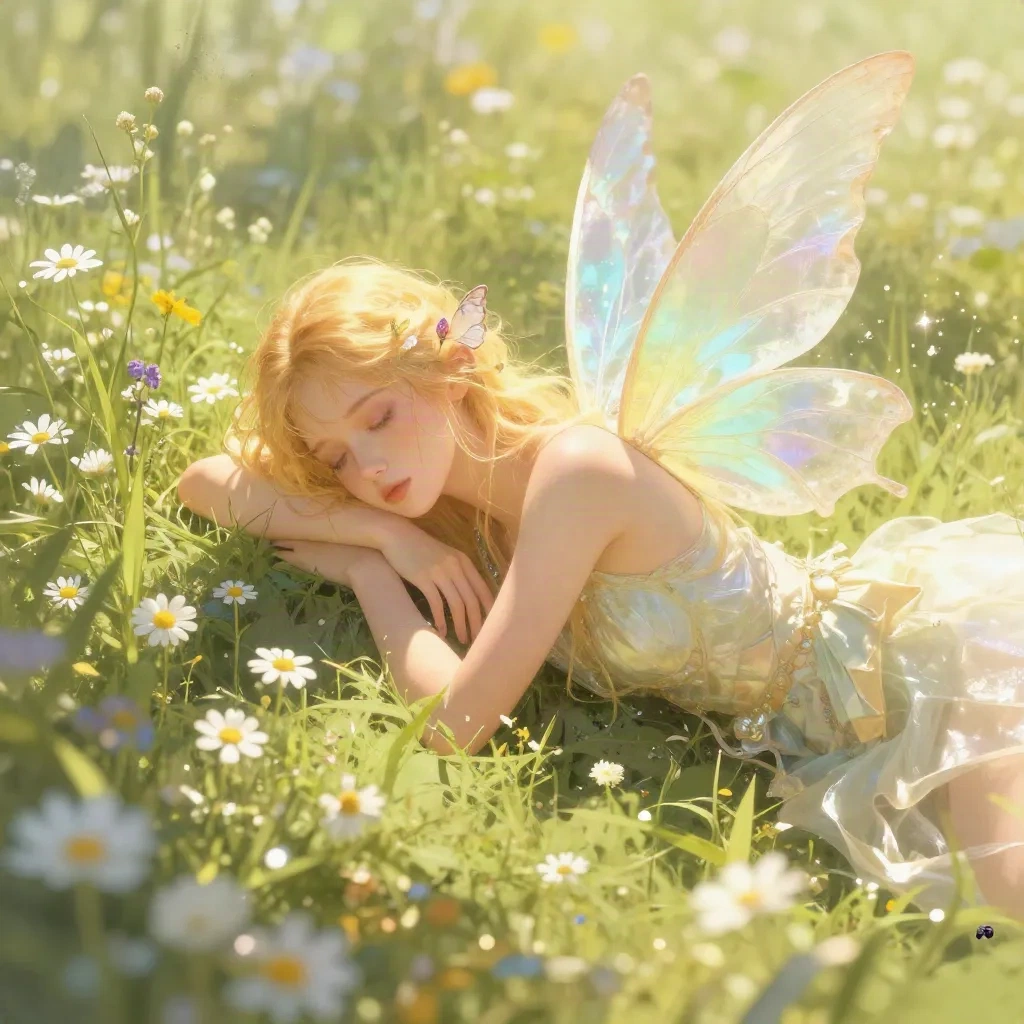
Female Seelie names: Aurelie, Solenne, Dawnpetal, Elowen, Tessaly, Isadora, Lirien, Calantha, Felara, Orinthia, Sylvaine, Celandine, Gloriel, Nimara, Phaedra, Seraphin, Vellara, Wyndra, Zephyrine, Thessaly.
Male Seelie names: Elarion, Solaren, Caldwin, Tavorel, Auren, Sylvarn, Ferandel, Glorith, Maelan, Orindal.
One name to single out: Celandine. It is the name of a real plant (Chelidonium majus, a yellow-flowered herb used in medieval medicine) and it has been a fairy name in English folklore since at least the 17th century. It takes four syllables but earns every one. The botanic weight makes it credible.
One name to avoid in this court: Sunshine, Goldie, Daystar. These feel like pet names given to a cat. Seelie names should feel old, not cute.
Unseelie Court: Names for Dark Fae Characters
Unseelie fae are not evil in a cartoonish sense. They are indifferent, which is colder. Their names bring hard stops and fricatives back in, but pair them with nature words that suggest decay, winter, or twilight rather than warmth.
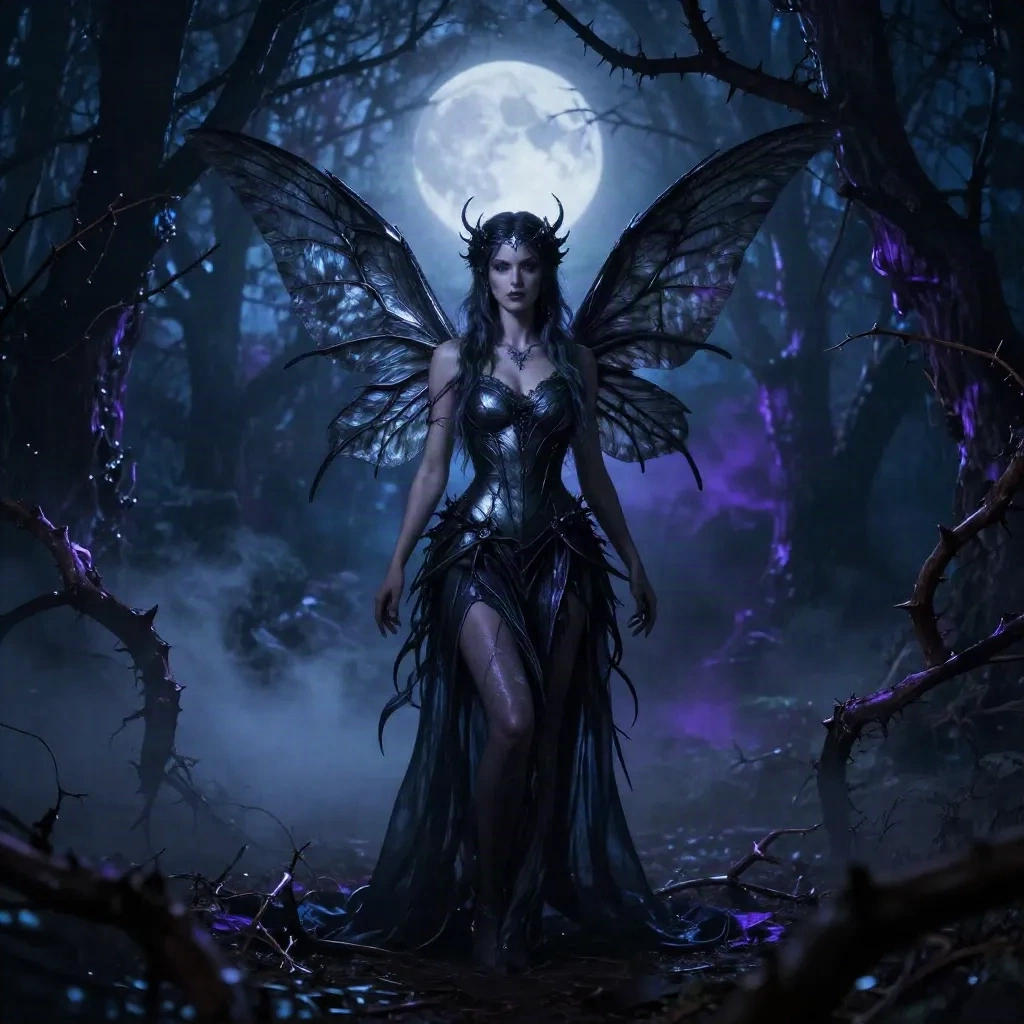
Female Unseelie names: Duskmantle, Morravel, Briarshade, Frosthollow, Veindra, Nullara, Ashveil, Grimsolen, Morvaine, Thalrix, Nyxara, Shadowfen, Coldmere, Ravenwynn, Obscura, Veldris, Dreathe, Korravel, Umbrial, Wyrmsha.
Male Unseelie names: Dreadmor, Scorriven, Thalrak, Veldris, Ashborn, Hollowmere, Grayfen, Brackwulf, Mordrecal, Thane.
The pattern here: consonant clusters (Br-, Gr-, Thr-, Wr-, Sc-) create a rougher entry into the word. Compound with winter words such as frost, ash, shadow, hollow, veil, and mire. End in a stop consonant rather than a soft vowel: -rak, -veld, -dris.
The fiction tradition matters. ACOTAR popularized the Seelie and Unseelie frame massively after 2015 and gave it a North American YA register. If you are writing in that tradition, shorter punchy names with slight Old English flavor fit the room. If you are writing Scottish folk horror, longer Scots Gaelic-influenced names land better: Baoban, Muireann, Eibblin. Knowing which tradition you are working inside keeps the names coherent across a whole cast rather than just character by character.
Flower Fairy Names: When the Garden Gives You the Name
Cicely Mary Barker published her first Flower Fairies book in 1923. Each fairy was named directly after its plant. Lavender, Columbine, Foxglove, Canterbury Bell. The naming logic was almost documentary: know the flower, know the fairy.
That method still works because plant names carry embedded meaning. Foxglove (Digitalis) is poisonous, so a Foxglove fairy should be a character you do not entirely trust. Rue means regret in English idiom. Tansy, derived from the Greek athanasia meaning immortality, gives a fairy an instant backstory without a word of exposition. Heartsease is a viola, but it also names a real old remedy for anxiety. A fairy called Heartsease should probably be the one who calms things down.
Names drawn directly from botany: Bryony, Tansy, Sorrel, Weld, Feverfew, Celandine, Fumitory, Betony, Skirret, Woad, Lovage, Mallow, Spurge, Pennywort, Heartsease, Agrimony, Elecampane, Vervain, Meadowsweet, Clary.
Compound flower names, invented but botanically grounded: Bitterbloom, Crowfoot, Yarrowfen, Mossbell, Cinquefoil, Larkspur, Thornveil, Nightbloom, Spindrift, Briar-dew.
The compound names work because every element is real. A reader who does not know what yarrow is will still feel that Yarrowfen knows something they do not.
Water Fairy Names: Brook, Tide, and Mist
Water fairies sit in a distinct tradition from court fairies. Most European folk traditions have their own versions: the Scottish kelpies, the Irish merrow, the Welsh Gwragedd Annwn (lake maidens), the Germanic nixe, the Slavic rusalki. The name conventions differ sharply by cultural source.
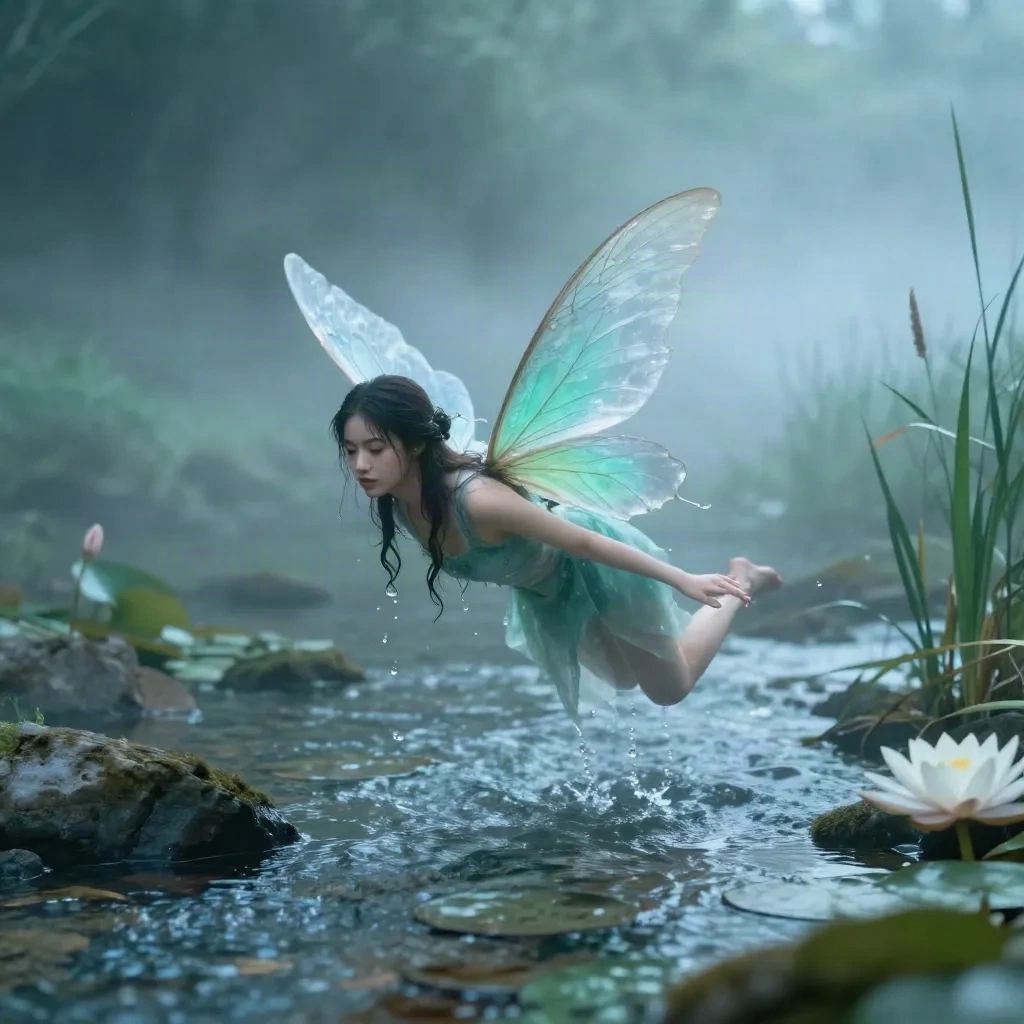
Celtic water fairy names favor long vowels, soft consonants, and names ending in -wyn, -enne, -ael: Niamh (pronounced "Neev"), Muireann ("Moorann"), Branwyn, Elaine. If you choose a Celtic-register water fairy, respect the pronunciation. A character named Niamh whose name is rendered phonetically wrong on every page loses credibility fast.
Germanic nixie names are shorter and sharper: Lorelei, Undine, Ondine, Melusine.
Invented water fairy names that feel grounded: Tidalwynn, Brookfen, Misthallow, Coralhael, Sedgemere, Saltwren, Deeprill, Shallowmere, Crystavel, Fenmoor, Tideward, Brinewyn, Poolsong, Rivulet, Brinehael.
The sound rule for water fairies is consistent across traditions: liquid consonants (L, N, M, W) dominate. Hard K, harsh R, and X sounds almost never appear. Read your name aloud next to the word "stream." If it sounds wrong beside it, the name is wrong. That test sounds trivial. It is not. It is the same test oral storytellers used before literacy.
Male Fairy Names That Actually Hold Up
Male fairy names get less coverage in most lists. The canon gives you Oberon (from the Old French Auberon, itself from Germanic Alberich meaning "elf ruler"), Puck (Old English, possibly pre-Christian), and Robin Goodfellow. After that, most lists default to feminizing existing female names, which is not the only approach available.
Seelie register (warm, noble): Caelen, Tavorel, Eladrin, Sorvyn, Almiren, Galindel, Fyrel.
Unseelie register (cold, territorial): Malkrin, Thorrald, Brackven, Grimshaul, Dreadmor, Scorval.
Trickster and neutral register: Pyx, Knave, Rook, Bramble, Wren, Finch, Thistle, Cobblethwaite.
Nature-compound male names: Ashwood, Fernhollow, Stonewing, Barkmere, Rookfen, Mirewatch.
The trickster category warrants its own note. Tricksters in folklore frequently had names that looked almost too simple, names that functioned like aliases chosen for speed of use. One syllable, often a bird or a chess piece. That simplicity was itself a form of misdirection. A fairy named Rook is telling you something about how it operates.
How to Build a Fairy Name That Does Not Exist Yet
Four steps.
First, choose a register: Seelie or Unseelie, water or flower, trickster or court. Register determines your sound palette before you write a single letter.
Second, pick a nature anchor. One real plant, element, or landform that describes where or how your fairy lives. Ash tree, millpond, granite cliff, hawthorn hedge. This becomes your noun base.
Third, choose a suffix from your register's canon. Light fae: -iel, -wyn, -ara, -enne, -ael. Dark fae: -veld, -dris, -rak, -moth, -ven. Water: -mere, -rill, -fen, -wynn. Flower: -bloom, -petal, -bell, -dew.
Fourth, fuse noun base and suffix. Hawthorn plus -ael becomes Hawthorael. Ash plus -veld becomes Ashveld. Millpond plus -wyn becomes Millwyn. Say it aloud three times. If you trip on any syllable, shorten it. If it flows, keep it.
This is not a formula that produces generic output. Two people starting with different nature anchors and different suffixes never land on the same name. That is the point: the method individualizes the result without requiring linguistic expertise.
The generator on NameGeneratorPlus runs exactly this logic across 14 language roots simultaneously. For a character who needs to feel Celtic, Germanic, or Slavic without requiring you to study etymology for three hours, the tool removes the friction between concept and name. The result is not a random string. It is a name built from a pattern, which is all a fairy name ever was to begin with.