Summary
This free fantasy name generator builds elf, dwarf, orc, human and shadow-touched names from the sounds each race favours: soft liquids for elves, hard stops for dwarves and orcs, familiar medieval endings for humans. Pick a race, a format and a sound, click a name to copy it, and run as many batches as you need. It runs in your browser with no signup, and the page explains how each name is assembled.
Fantasy Name Generator: Pick a Race, Get Names That Fit
Choose elf, dwarf, orc, human or shadow-touched, set the sound, and get names built from the phonetics of that race. Click a name to copy it.
What happens when you press the button
Syllables, not random letters
Each race has its own bank of opening syllables, linking pieces and endings. Elves lean on soft sounds (l, r, n) and endings like -iel or -wen. Dwarves and orcs lean on hard stops (k, g, d, z). The tool joins three pieces and fixes awkward seams, such as two vowels colliding.
Family names are fused words
Surnames are two ordinary words stuck together, the way English gave us Thornwick or Ashbrook. Dwarves get craft words (forge, helm), orcs get violence (tusk, crusher), elves get nature (moon, song).
Filters, then your browser does the rest
Names longer than nine letters or four syllables are thrown out, and duplicates inside a batch are removed. The syllable count next to each name is a rough count of vowel groups, accurate for these invented words, not a dictionary lookup.
A good fantasy name tells you the culture before the lore does
Tolkien took many of his dwarf names, Thorin and Durin among them, from the Dvergatal, a list of dwarves in the Old Norse poem Völuspá. Gandalf is on that list too. His elvish names came from invented languages modelled partly on Finnish and Welsh. Different raw material, same trick: readers sense where a character comes from before anyone explains it. This generator applies that idea at small scale, one sound palette per race.
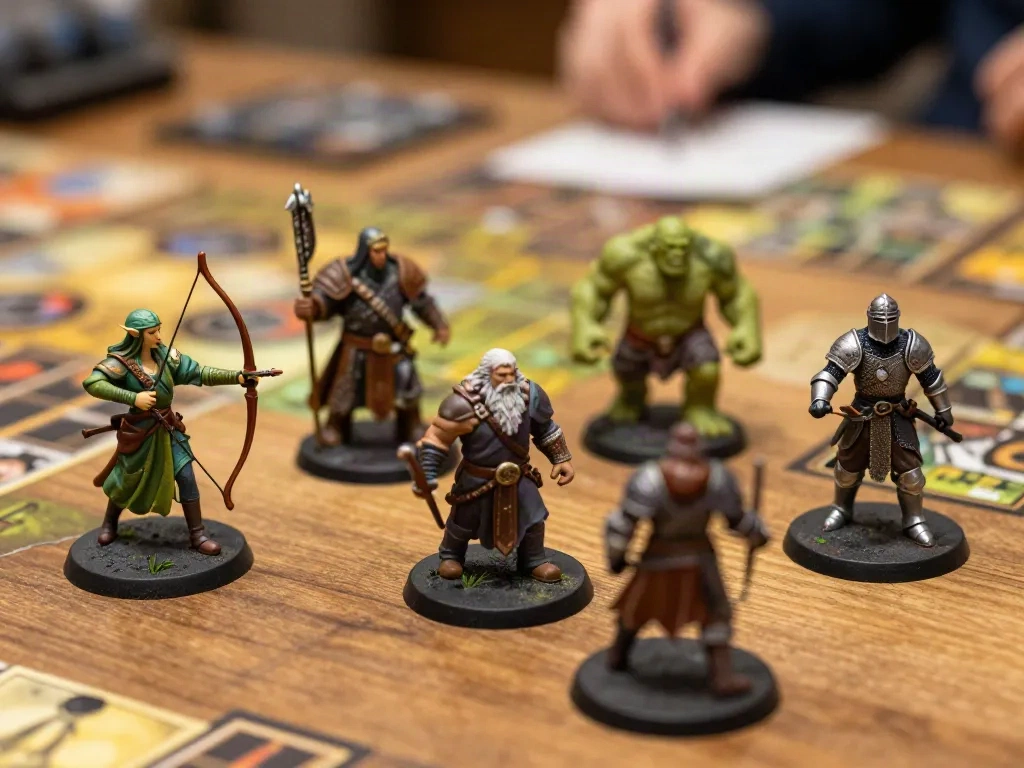
- Elves: open vowels, soft consonants, endings like -iel, -wen, -ion
- Dwarves: short and hard, Norse-flavoured endings like -grim, -rim, -dur
- Orcs: harsh stops and one or two syllables
- Humans: familiar medieval endings like -ric, -win, -wyn, so readers never trip
- Shadow-touched: x, z and k, with endings like -oth and -ax
Three ways to test a name
-
1
Say it out loud, three times
If you stumble on the second try, your players or readers will too. Cut a syllable or swap one consonant until it comes out without effort.
-
2
Check initials across your cast
Two characters whose names start with the same letter blur together on the page, especially in a crowded scene. Keep initials distinct inside any group that shares a chapter.
-
3
Search it before you commit
Type the name with the word fantasy next to it. A name that already belongs to a famous character, a game or a trademark is a bad bet for anything you plan to publish.
Generate twenty, shortlist three, then edit by hand
The generator gives you raw material. What makes a name yours is the edit afterwards: swap an ending, drop a syllable, move the emphasis. Writers who name a whole cast tend to work in batches and keep a running list, so the pool of used sounds stays visible and no two characters end up with the same shape.
- Shortlist three names per character, not one
- Change a single letter by hand so the name is truly yours
- Pair a first name from one batch with a family name from another
Questions about the fantasy name generator
Is this fantasy name generator free?
How does the generator build a fantasy name?
Can I use these names in my novel, game or D&D campaign?
Why do names for the same race sound alike?
Do the names come with meanings?
Are the masculine and feminine settings a rule?
Can I use it for villages, taverns or clans?
Need names for a brand, a baby or a username instead?
Name Generator Plus covers 56 categories, from business names to pet names, each built around how names actually work.