Etsy Alternatives: 5 Platforms Compared for Sellers
Summary
Looking for etsy alternatives in 2026? We compared Shopify, Bonanza, Amazon Handmade, Gumroad and Zazzle against Etsy on fees, traffic, setup time and how much control you get over your shop name and brand. Shopify wins for sellers who want to own their brand, Bonanza for the lowest marketplace fees, and Amazon Handmade for reach. Each pick below says who it fits and who should skip it.
Shopify is the best Etsy alternative for sellers who want a brand they own, because the name, the domain and the customer list stay yours. Bonanza is the cheapest marketplace at a 3.5% final value fee, and Amazon Handmade brings the most shoppers but takes 15%. Gumroad suits digital products, Zazzle suits print-on-demand designs. Etsy stays hard to beat for pure handmade discovery.
Why are sellers looking for Etsy alternatives in the first place?
Etsy charges $0.20 to list an item, takes 6.5% of the sale price plus shipping, and then adds payment processing on top. Read the Etsy fees policy once and you can see why a $25 sale leaves less than many new sellers expect. Offsite ads can add more on the orders they bring.
Fees are only half of it. A shop name on Etsy lives at etsy.com/shop/YourName, inside someone else's house. If the rules change, your audience stays with Etsy. That is the real reason most people start comparing, and it is also where naming comes in: a name that works as a marketplace label is not always a name that works as a domain.
What did we measure across the five platforms?
Four things, and only four. Fees and margin, because that is what you keep. Built-in traffic, because a cheap platform with no visitors is just an empty shelf. Control over your shop name and brand, which is the angle this blog cares about. And setup effort, measured in hours or days before the first listing goes live.
We left out features like analytics dashboards and app stores. They matter later, not on day one.
Is Shopify really the best Etsy alternative?
For a seller who wants a brand, yes. Shopify costs $29 a month billed yearly, or $39 monthly, and its pricing page lists card rates from 2.9% plus 30 cents on the entry plan. There is no cut of each sale beyond payment processing, so margins improve as you grow.
The catch is traffic. Shopify gives you a store, not shoppers. You bring them through search, social posts, email and ads. That is why it suits sellers who already have a small audience, or who plan to build one around a name worth remembering.
This is where the name becomes a tool. On Shopify you pick a domain, and a short, pronounceable name beats a clever one every time. Ours tends to propose names in two or three syllables for that reason. Try a handful, say them out loud, and check the domain before you fall in love with any of them.
Why would anyone pick Bonanza over Etsy?
Margin. Bonanza takes a 3.5% final value fee on sales under $500, with no listing fee and no subscription on the basic booth. On a $25 item that is under a dollar in marketplace fees, against more than double that on Etsy before processing.
The trade is audience. Bonanza has around 25,000 sellers and far less brand recognition, so new listings get found slowly. It works well for vintage and collectibles, and sellers can import listings from other marketplaces. We would use it as a second channel, not a first one.
Does Amazon Handmade beat Etsy on reach?
On reach, yes. Amazon Handmade puts approved artisans in front of Amazon and Prime shoppers, and buyers already trust the checkout. The cost is a 15% referral fee, and the approval process can take weeks and can end in a rejection.
There is also less room for personality. An Etsy shop tells a story. An Amazon Handmade listing sells an item. If your products speak for themselves and your name matters less than your photos, that is fine. If your shop name is part of the appeal, it is a weaker fit.
What about Gumroad and Zazzle for non-physical or print-on-demand products?
They solve a different problem. Gumroad charges 10% plus 50 cents on direct sales and 30% on sales that come through its Discover marketplace, so it pays to bring your own audience. It is built for files: templates, presets, guides, small courses. A first product can go live in minutes.
Zazzle takes the opposite route. You upload a design, Zazzle prints it on cards, mugs or posters and ships it, and you earn a royalty you set yourself. No stock, no packing. Margins are thinner and some creators dispute how royalties are worked out after discounts, so read the terms. Neither platform is a home for goods you make with your hands.
Which shop name survives a move between platforms?
A name that is short, easy to spell and free as a domain. Etsy limits shop names to 4 to 20 characters with no spaces, which pushes sellers toward compressed or oddly spelled names. Those often fail the moment you try to move them to a domain.
Three quick checks before you commit to any platform:
Say the name over the phone. If you have to spell it twice, it will not travel.
Search the .com and the social handles together. A mismatch costs you later.
Try it without the platform's URL around it. If it looks weak on a business card, it is weak.
A name that passes all three works on Etsy, on Bonanza and on your own domain.
Which Etsy alternative fits which kind of seller?
If you make physical goods and want a long-term brand, start on Shopify and keep Etsy as a feeder channel while the store finds its feet. If margins are your main worry, add Bonanza next to your existing shop. If you sell files, go to Gumroad. If you draw and do not want to hold stock, use Zazzle.
Amazon Handmade sits in the middle. It makes sense for sellers with strong product photos, stable stock and the patience for an application. It makes less sense for anyone whose story is the product.
What is our recommendation?
Do not leave Etsy all at once. Open your own store on Shopify, choose a name you could keep for ten years, and send repeat buyers there. Keep Etsy running for discovery while the new store builds its own traffic. Then compare your real numbers after three months, not our scores. Your fees, your products and your audience will change the order more than any ranking can.
At-a-glance
| Shopify | Bonanza | Amazon Handmade | Gumroad | Zazzle | |
|---|---|---|---|---|---|
| Seller fees | $29/mo billed yearly ($39 monthly), card rates from 2.9% + 30¢ | 3.5% final value fee under $500, no listing fee | 15% referral fee, monthly plan fee waived for approved artisans | 10% + 50¢ on direct sales, 30% via Discover | No upfront cost, you set a royalty on each product |
| Built-in traffic | None, you bring the visitors | Small audience, about 25,000 sellers | Amazon and Prime shoppers | Small Discover marketplace, mostly your own audience | Large print-on-demand and personalised gift audience |
| Shop name and URL | Your own domain and brand name | Booth name under bonanza.com/booths/ | Brand name inside an Amazon storefront | Profile page, custom domain possible | Store name under zazzle.com/store/ |
| Best for | A standalone brand with its own store | Vintage, collectibles and fee-sensitive sellers | Vetted artisans who want Amazon reach | Digital downloads, courses and templates | Designs printed on cards, mugs and posters |
| Setup effort | Days: theme, pages, payments, domain | Hours, with listing import from other marketplaces | Weeks: application and approval first | Minutes for a first digital product | Minutes per design, no stock to hold |
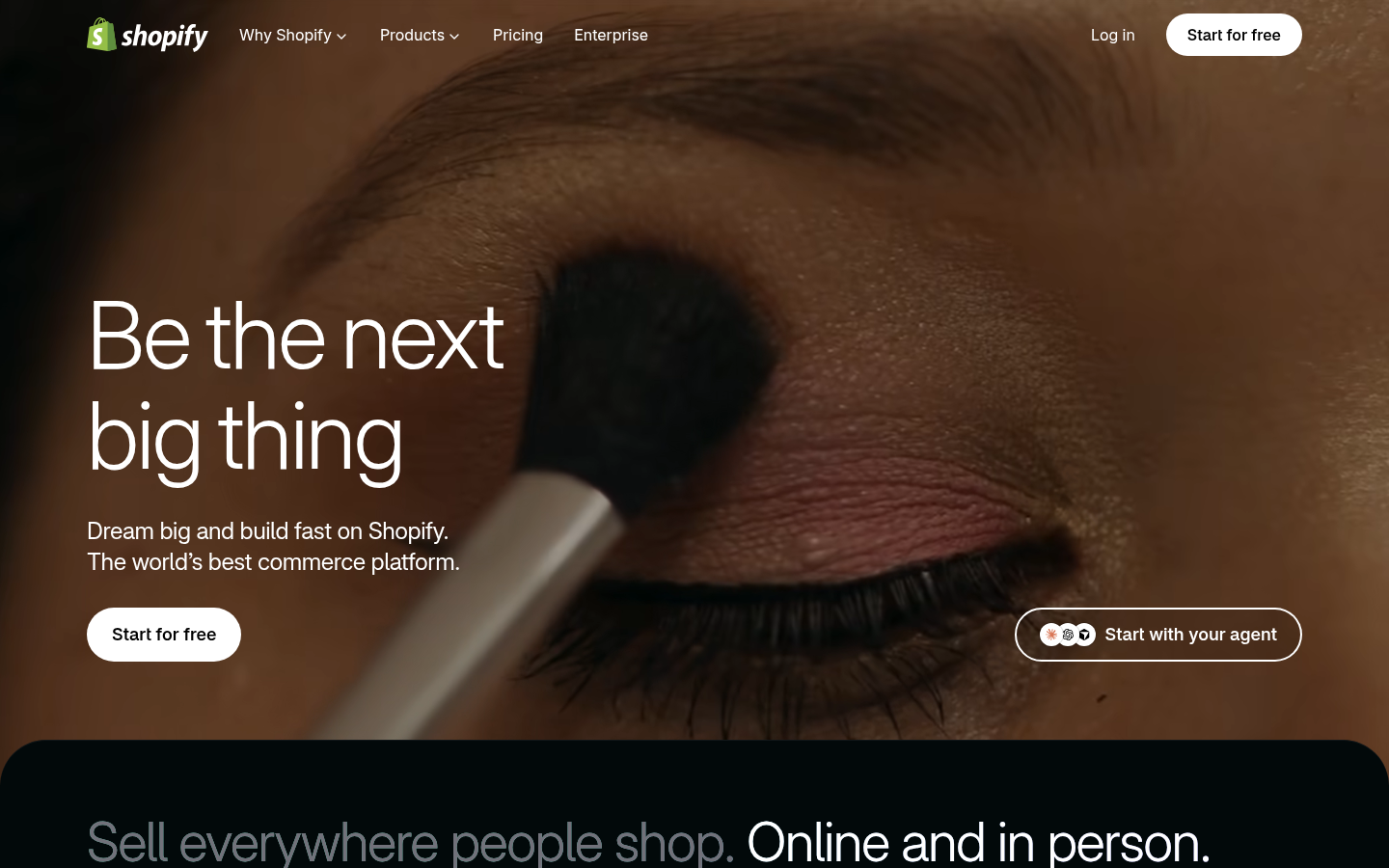

Shopify
- You own the domain, the brand name and the customer list
- Predictable monthly cost instead of a cut of every sale
- Large app and theme ecosystem to grow into
- No built-in marketplace traffic, you must bring visitors yourself
- Setup takes days, not hours, and the monthly fee starts at once
- Domain and brand name choices matter more because nobody can rescue a weak one
The strongest move once your shop name deserves its own domain.
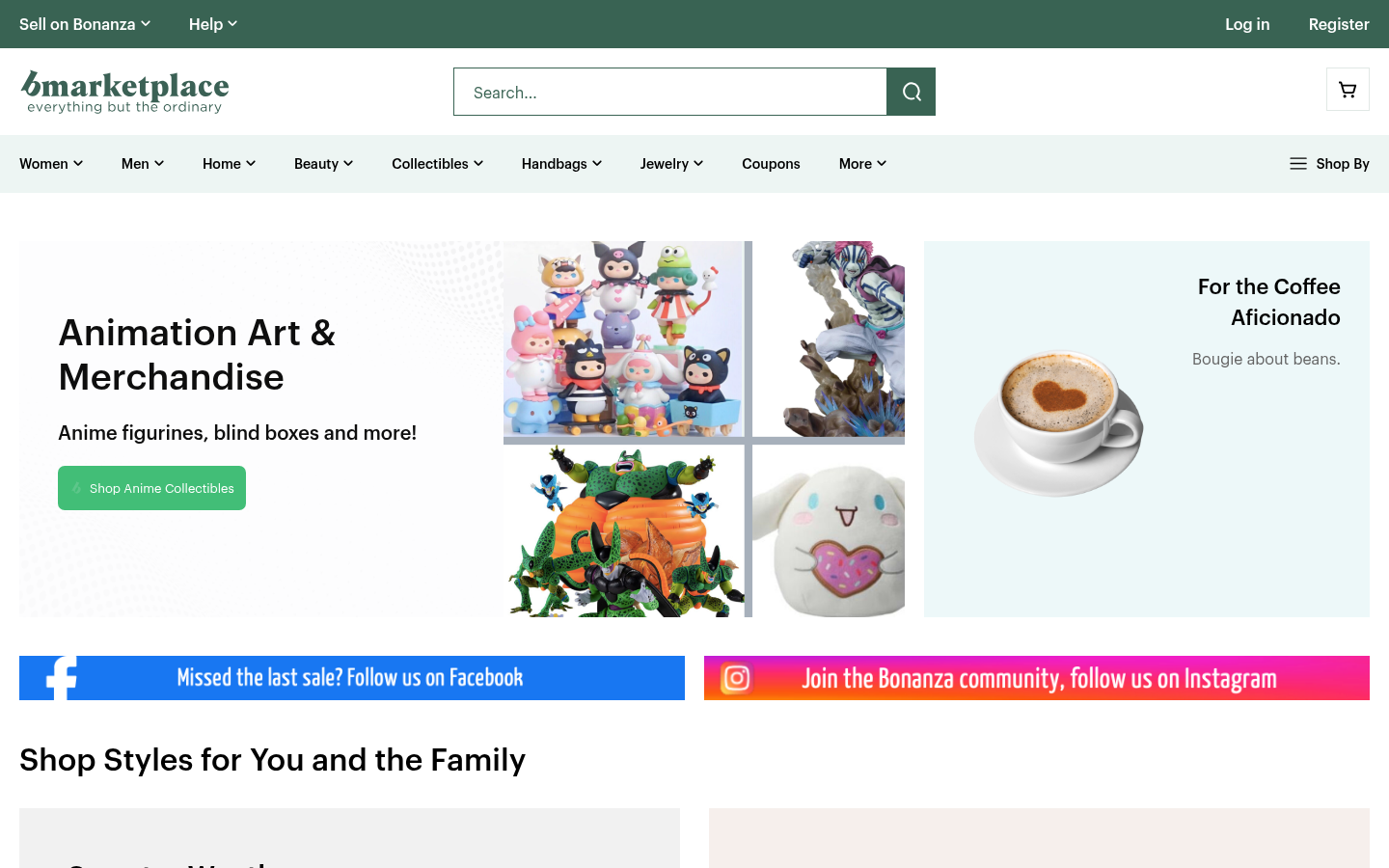
Bonanza
- 3.5% final value fee leaves more of each sale in your pocket
- No listing fees or monthly subscription on the basic booth
- Listings can be imported from other marketplaces
- Far smaller traffic means slower discovery for new listings
- Lower brand recognition with shoppers than Etsy or Amazon
- Seller responsiveness is mixed according to buyer feedback
A cheap second shelf, rarely a replacement for your main channel.
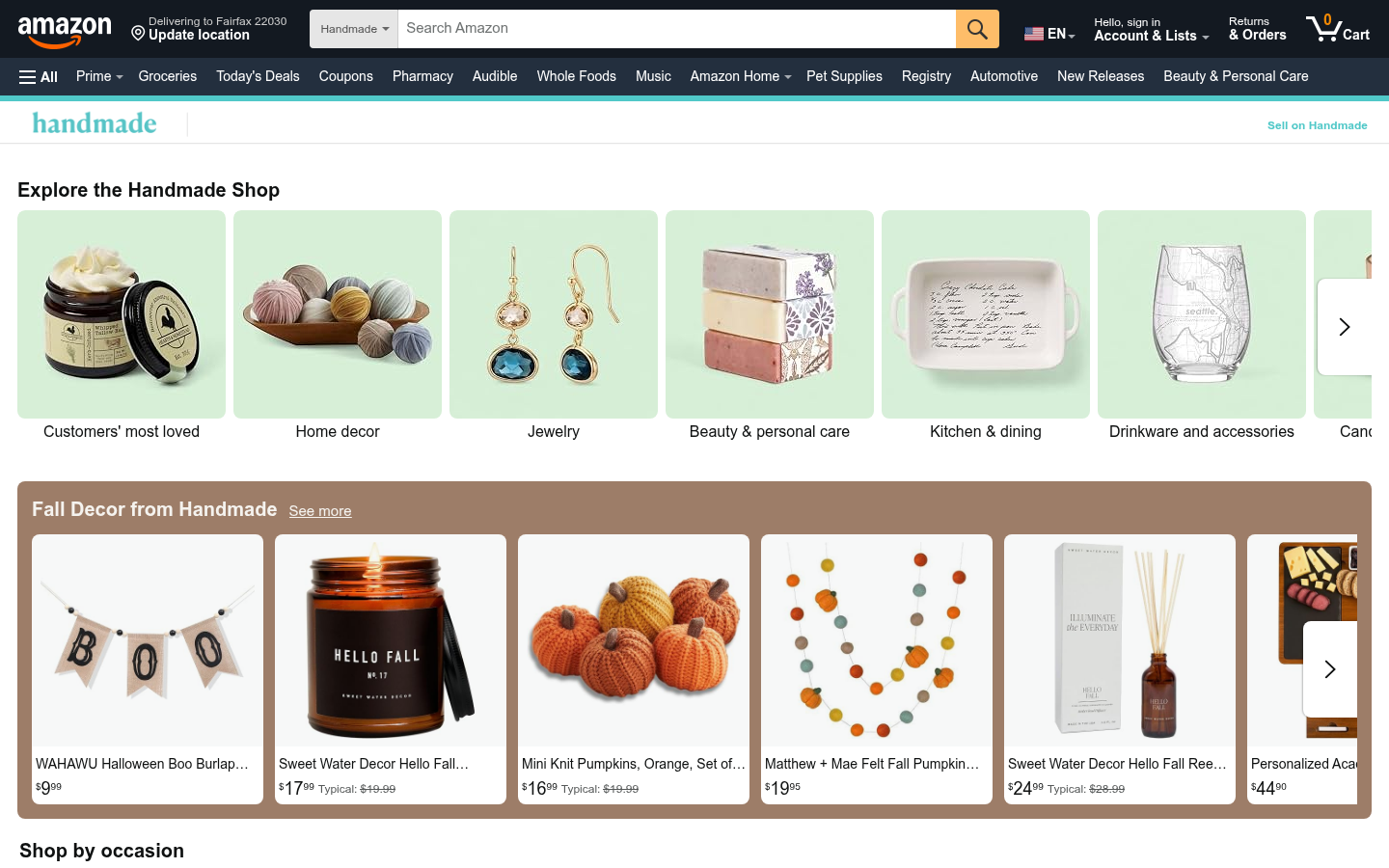
Amazon Handmade
- Access to a huge base of Amazon and Prime shoppers
- Only vetted artisans are admitted, which keeps the shelf credible
- Familiar checkout that buyers already trust
- The 15% referral fee is high next to Etsy or Bonanza
- The application process is slow and can reject you
- Less room for storytelling and shop personality than Etsy
Reach at a price, with less of your own voice.
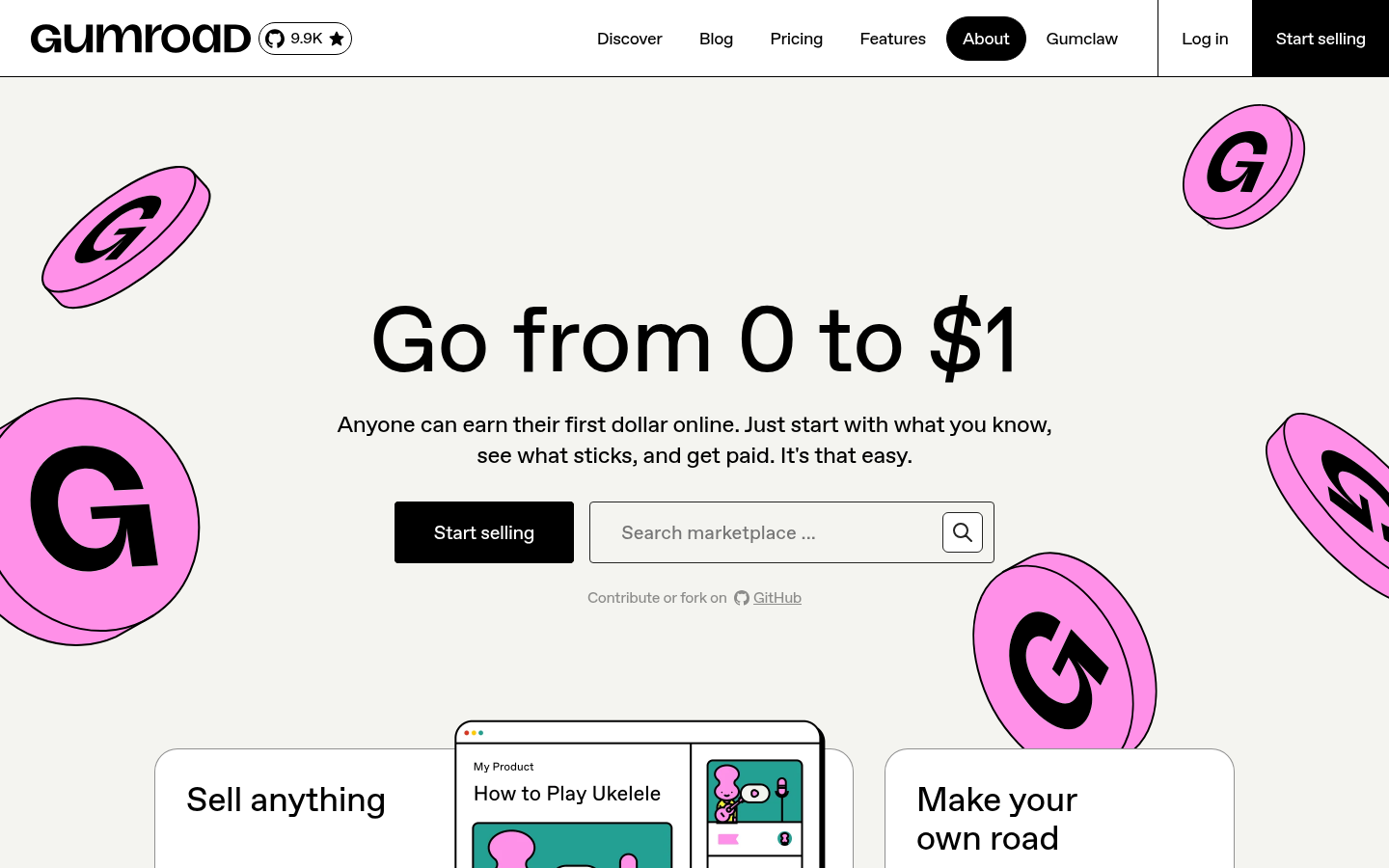
Gumroad
- Selling a first digital product takes minutes
- No monthly fee, you pay only when you sell
- Handles file delivery and payouts without extra tools
- Not built for physical handmade goods or shipping workflows
- Discover sales cost 30%, so you need your own audience
- Fewer storefront design options than a full store builder
Right if your product is a file, wrong if it needs a box and a stamp.
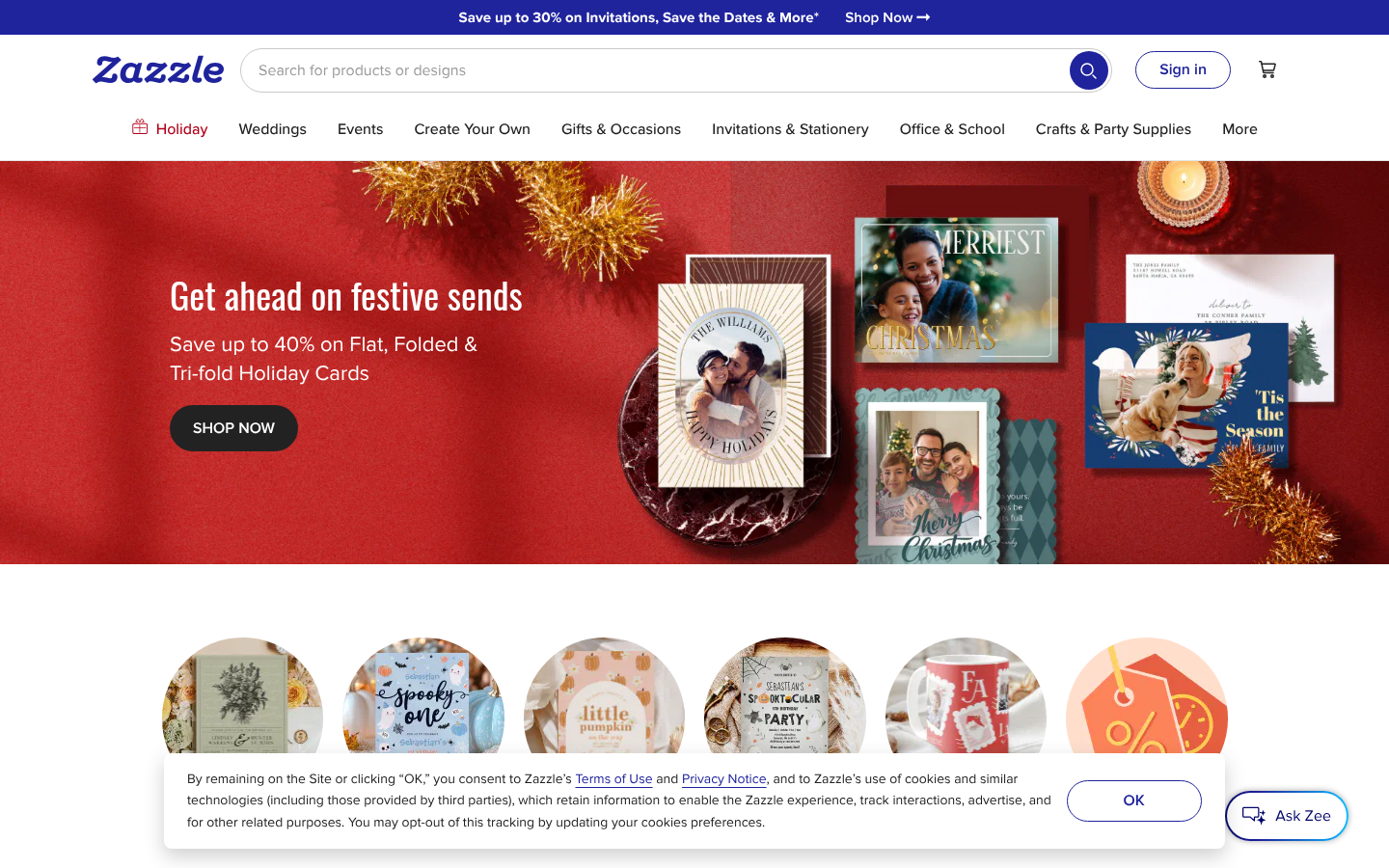
Zazzle
- Zazzle prints and ships, so you hold no stock
- You set the royalty on each product
- Large audience for personalised gifts and invitations
- Royalty is a share of a price Zazzle controls, so margins are thin
- Some creators dispute how royalties are calculated after discounts
- Not suited to true handmade items you make yourself
Good for design-led sellers, not for people who make things by hand.
Verdict
Shopify is the best Etsy alternative for sellers who want a brand they own, because the name, the domain and the customer list stay yours. Bonanza is the cheapest marketplace at a 3.5% final value fee, and Amazon Handmade brings the most shoppers but takes 15%. Gumroad suits digital products, Zazzle suits print-on-demand designs. Etsy stays hard to beat for pure handmade discovery.
How we tested
This comparison is built from each platform's published fee pages, seller documentation and live storefront as checked in October 2026, plus aggregated seller and buyer feedback from review sites and community threads. I did not open a paid shop on every platform, so scores are editorial judgments on a 0 to 5 scale, not lab results. Weights: fees and margin 30%, traffic 25%, control over brand and shop name 25%, setup effort 20%. Fees change often, so check each linked pricing page before you commit. Some links on this page are affiliate links, which never changed a score.